News
Bahrain's Diversification Efforts: Transforming the Gulf's Economic Landscape
Bahrain is diversifying its economy away from its dependence on fossil fuels, with sectors like fina
2025-10-20
15K views
300 likes
Bahrain, a small island nation in the Persian Gulf, has been at the forefront of a regional push to diversify its economy beyond its traditional reliance on fossil fuels. As the world transitions towards a more sustainable future, Bahrain has been actively seeking to reinvent itself as a hub for finance, tourism, and other high-growth sectors. This article explores Bahrain's ongoing efforts to transform its economic landscape and the challenges it faces in the face of stiff competition from its Gulf neighbors.
Unlocking the Potential of Diversification
Shifting Away from Oil Dependence
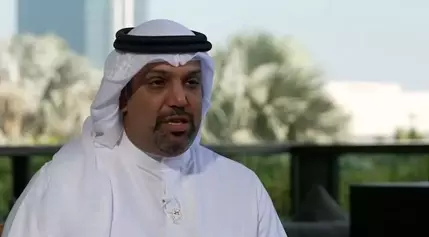
Bahrain's economy has undergone a significant transformation in recent years, with the country actively working to reduce its reliance on oil and gas. In 2000, these sectors accounted for 44% of the country's GDP, but that figure has since dropped to just 16%. This shift has been driven by a concerted effort to diversify the economy and explore new avenues for growth.Shaikh Salman bin Khalifa Al Khalifa, Bahrain's Minister of Finance and National Economy, emphasizes the importance of this diversification process, stating that it is "as old as time." Bahrain's historical role as a trading hub for the region has positioned it well to adapt to the changing economic landscape, with the country now serving as a "service center" for the broader Gulf Cooperation Council (GCC) region.Leveraging Existing Strengths
Bahrain's diversification efforts have focused on capitalizing on its existing strengths and exploring new opportunities in sectors such as finance, manufacturing, real estate, and tourism. The country has been actively seeking to attract investment and foster innovation in these high-potential areas.The recent Gateway Gulf event, a gathering of business professionals, government officials, and investors, showcased Bahrain's progress in this regard. The event concluded with deals and announcements totaling billion, underscoring the country's growing appeal as an investment destination.Collaborating with Regional Partners
Bahrain's diversification strategy is not occurring in isolation, but rather as part of a broader regional effort. The GCC economies, which include Kuwait, Oman, Qatar, Saudi Arabia, and the United Arab Emirates, have all been working to reduce their reliance on oil and gas and expand into new sectors.According to the World Bank, the combined GDP of the GCC economies is projected to reach trillion by 2050, with growth rates of 3.6% and 3.7% expected in 2024 and 2025, respectively. This regional collaboration and shared vision for economic transformation present both opportunities and challenges for Bahrain as it navigates the path forward.Facing Stiff Competition
While Bahrain has made significant strides in diversifying its economy, it faces stiff competition from other Gulf nations with more resources and established positions in certain sectors. Steffen Hertog, an associate professor at the London School of Economics and Political Science, notes that "Dubai has taken much of the regional logistics and tourism business," while Saudi Arabia has also made significant progress in financial diversification, tourism, and entertainment.This regional competition has reduced the demand for Bahrain's services across the causeway, posing a challenge to the country's diversification efforts. However, Shaikh Salman bin Khalifa Al Khalifa remains optimistic, believing that the success of Bahrain's GCC partners will ultimately benefit the country as well, with a "rising tide" lifting all the economies in the region.Diversifying into Finance and Tourism
Bahrain has been particularly focused on developing its finance and tourism sectors as part of its diversification strategy. In October 2022, the National Bank of Bahrain launched a Bitcoin investment fund, a first for the GCC region, demonstrating the country's ambition to become a hub for innovative financial services.Additionally, Bahrain is working to attract more tourists, with a 7 million waterfront development project underway that will bring new beaches, restaurants, hotels, and water-based attractions to the country's coastline. The project includes a 1 million exhibition center, set to be the largest in the Middle East.The country's Minister of Tourism has also announced the construction of 16 new hotels, totaling over 3,000 rooms, as part of a broader billion post-pandemic recovery plan that includes the development of five offshore cities and other infrastructure projects to further boost tourism.Navigating the Challenges Ahead
While Bahrain's diversification efforts have shown promising results, the country faces ongoing challenges in maintaining its competitive edge. The rise of other Gulf nations as regional hubs for finance, logistics, and tourism has put pressure on Bahrain's position, requiring the country to continuously innovate and adapt.Nonetheless, Bahrain remains committed to its diversification strategy, recognizing that the success of its GCC partners can ultimately benefit the country as well. By fostering collaboration, leveraging its strengths, and exploring new growth sectors, Bahrain is positioning itself as a dynamic and resilient player in the rapidly transforming economic landscape of the Gulf region.