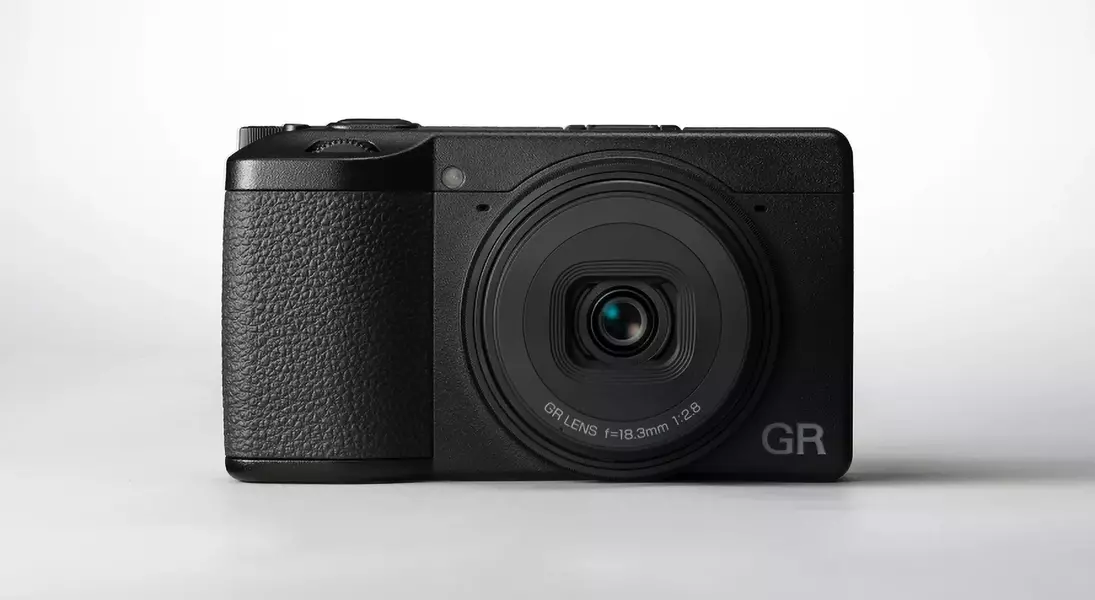
The photographic community's anticipation for the Ricoh GR IV, touted as a direct challenger to the Fujifilm X100VI in the premium compact camera segment, has culminated in its recent preorder availability. However, for many loyal users of the Ricoh GR III, the unveiling of the GR IV's specifications and initial product imagery has brought forth a sense of disappointment. The new iteration appears to be a rather incremental advancement, leading to a critical reevaluation of its appeal and competitive standing.
\nAs an avid user of the Ricoh GR III for several years, I had held high hopes for significant advancements in the GR IV. My personal wishlist for the new model included several key enhancements, such as maintaining its compact form factor, achieving substantial improvements in autofocus performance, and potentially integrating features like a tilt screen, built-in flash, and enhanced build quality. While the GR IV does boast a slightly slimmer profile, aligning with the desire for a highly portable device, this subtle change alone doesn't present a compelling argument for an upgrade. Furthermore, preliminary reports from those who have had hands-on experience with the GR IV suggest that autofocus speed has seen only marginal improvements, hardly the leap that many had wished for. These minor refinements fall short of justifying a transition for existing GR III owners.
\nThe most contentious aspect of the Ricoh GR IV's release is undoubtedly its pricing. With a new price point of ,499 / £1,199 / AU,099, the camera represents a substantial increase over its predecessor, ranging from 20% to 35% depending on the region. This aggressive pricing strategy places the GR IV in a more competitive bracket, directly against models like the Fujifilm X100VI, which, despite its larger size, offers a more robust feature set. The sensor resolution has seen a modest bump from 24MP to 26MP, and while there's a new 28mm f/2.8 lens, its performance superiority remains to be conclusively demonstrated. Crucially, sought-after features such as a tilt screen, integrated flash, and improved construction quality are still absent. Historically, the GR series has maintained a price point around ,000 / £900, which felt appropriate for its offerings. This significant price escalation, coupled with limited functional enhancements, makes the GR IV a less attractive proposition for value-conscious photographers.
\nGiven the conservative nature of the upgrades and the considerable price hike, the GR IV struggles to carve out a compelling niche. For enthusiasts of the GR series, widely acclaimed for its excellent image quality and remarkable portability, a more prudent decision might be to consider the older Ricoh GR III. This model, despite its discontinuation, still represents one of the market's premier point-and-shoot cameras, offering a more financially accessible entry point into the Ricoh ecosystem. The introduction of Ricoh's new GF-2 external flash, compatible with the GR III, further enhances the utility of older models, offering a practical alternative to the integrated flash that many had hoped for in the GR IV. The overall sentiment suggests that while Ricoh has managed to keep the GR series alive, the GR IV's launch strategy, characterized by minimal innovation and a steep price increase, could be perceived as both overly cautious and financially opportunistic.